In a chilling escalation of political and social tension, New York City recently witnessed a thwarted domestic terror plot. On March 7, 2026, during a heated demonstration outside Gracie Mansion, the official residence of Mayor Zohran Mamdani, law enforcement intercepted a life-threatening attempt involving Improvised Explosive Devices (IEDs).
While the suspects were apprehended before a full-scale tragedy occurred, the incident has ignited a massive debate regarding urban security, the radicalization of youth, and the safety of protesters in the digital age.
Detailed Timeline of the Incident at Gracie Mansion
The event took place on a Saturday afternoon when opposing groups gathered near the Mayor’s Upper East Side home. What began as a standard exercise of First Amendment rights quickly turned into a federal investigation.
Key Events of the Day
- Protest Origins: A mix of anti-immigration activists and counter-protesters had occupied the perimeter of the mansion for several hours.
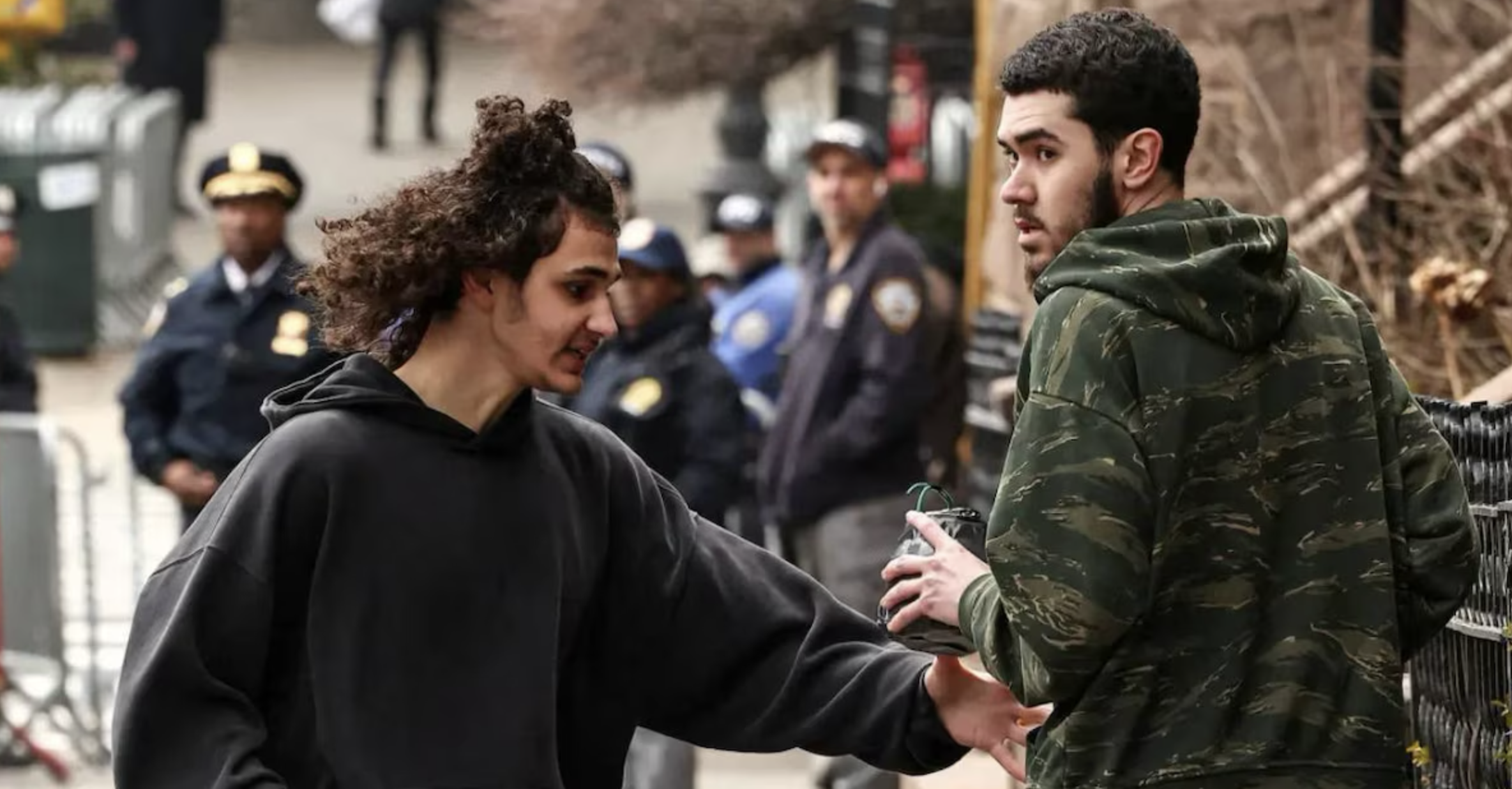
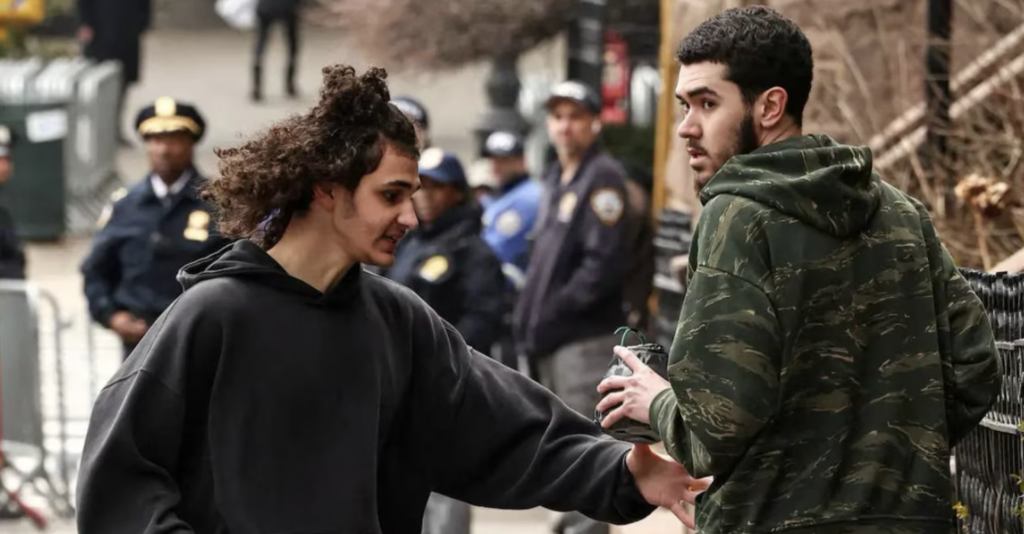
- Infiltration: Authorities identify two individuals, later named as Emir Balat (18) and Ibrahim Kayumi (19), who moved through the crowd of protesters.
- The Threat: Surveillance footage captured the suspects attempting to deploy two homemade “pipe-style” bombs filled with shrapnel (nails and bolts) toward the thickest part of the protest line.
- Swift Intervention: The NYPD’s Counterterrorism Bureau and the Bomb Squad acted within seconds. The devices were rendered safe, and the perimeter was locked down immediately.
The Suspects: Radicalization and Ideology
Following the arrest, the FBI and NYPD Joint Terrorism Task Force took over the lead. The profiles of the attackers provide a stark look into the modern landscape of domestic threats.
ISIS Inspiration and Online Echo Chambers
The suspects, both residents of Pennsylvania, were reportedly motivated by ISIS-linked propaganda. Federal prosecutors revealed that one of the youths had digital manifestos pledging allegiance to the terror group and specifically targeting “infidel gatherings” at political sites.
This case highlights a recurring SEO and social trend: the algorithmic radicalization of young individuals through encrypted messaging apps and fringe social media platforms. The transition from “lone wolf” digital consumption to physical action remains the top priority for New York’s intelligence community.
Political Fallout for Mayor Zohran Mamdani
Mayor Mamdani, the first Muslim mayor of NYC and a prominent figure of the progressive left, finds himself at a crossroads. While he has praised the NYPD for their bravery, the attack has amplified criticisms from both sides of the aisle.
Social and Administrative Challenges
- The Migrant Crisis: Many protesters were at Gracie Mansion specifically to voice concerns over the city’s handling of asylum seekers—a topic that continues to dominate NYC headlines.
- Police Reform vs. Public Safety: Opponents argue that the Mayor’s previous stances on police funding might compromise long-term safety, even though this specific response was highly effective.
- Religious and Cultural Tension: Being a high-profile Muslim leader, Mamdani faces the unique challenge of condemning radicalism that claims a perverted version of his own faith, while simultaneously protecting the civil liberties of his constituents.
Enhanced Security Measures for NYC Protests
In response to the March 2026 incident, the City Hall has authorized several immediate security upgrades to prevent future “soft target” attacks during public demonstrations.
New NYPD Protocols
- Deterrence Zones: Expanded “no-go” buffers around Gracie Mansion and other high-profile government buildings.
- Social Media Monitoring: Increased federal cooperation to identify potential threats traveling from out-of-state to participate in NYC protests.
- Vulnerability Assessments: A city-wide audit of security cameras and emergency response times in residential neighborhoods housing public officials.
Frequently Asked Questions (FAQ)
Were there any casualties in the NYC Mayor’s house incident?
No. Thanks to the rapid response of the NYPD, the explosive devices were neutralized before they could detonate, and no protesters or officers were harmed.
What charges are the suspects facing?
Emir Balat and Ibrahim Kayumi are facing multiple federal charges, including “attempted use of a weapon of mass destruction” and “conspiracy to provide material support to a foreign terrorist organization.”
How did the explosives work?
The NYPD confirmed the use of TATP, an extremely sensitive and volatile explosive often used in homemade IEDs. The devices were packed with metal shrapnel to maximize injury.
Conclusion: The Road Ahead for NYC
The thwarted attack against protesters at the Mayor’s residence is a somber reminder of the volatility currently facing New York City. As the 2026 political cycle intensifies, the balance between public safety and the right to protest has never been more delicate.
For residents and visitors, the message remains clear: New York is resilient, but vigilance is the price of security in an age of digital radicalization.
What are your thoughts on the new security zones in residential NYC neighborhoods? Share this article and join the conversation below.